
History overview

How light and stone reshaped the northern coast

From hand-tended lamps to engineered beacon corridors, each era changed how ships read the shoreline.

Across the nineteenth and early twentieth centuries, lighthouse construction followed trade growth, storm records, and advances in optics. The coast became a linked safety system: isolated headlands turned into mapped signal points, and local keepers helped transform hazardous waters into a dependable maritime route.

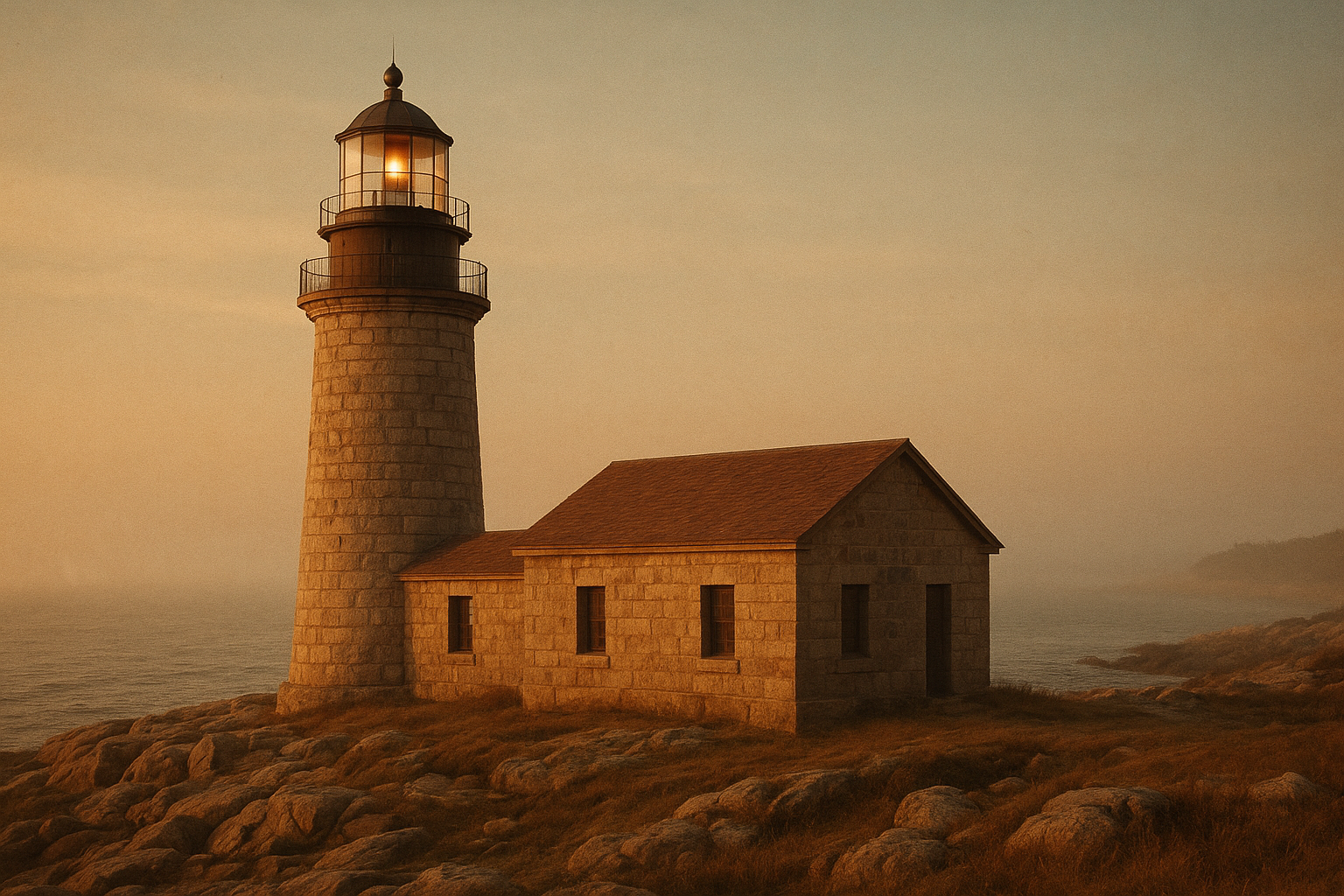
Historic granite lighthouse and attached signal station on a windswept northern coastline at golden hour
Archival atmosphere: a preserved station where beacon work, weather logs, and keeper routines converged.

Key turning points

  • 1820s: first permanent stone lights established at major harbor approaches.
  • 1860s: Fresnel lens adoption increased range and reduced wrecks along outer shoals.
  • 1900-1935: fog-signal stations and radio beacons extended coverage in low visibility.
  • post-1950: preservation campaigns secured landmark towers as shared coastal heritage.

Northern Coast History

Coastal lighthouse timeline

Five key shifts that shaped how northern coast beacons were built, staffed, and preserved.

  1. 1820s-1840s

    First Charted Beacons

    Early masonry towers were raised at harbor mouths to guide timber and fishing vessels through northern shoals.

  2. 1860s-1880s

    Lens and Iron Upgrades

    Fresnel optics and prefabricated iron sections increased range, making stations more dependable in rough weather.

  3. 1890s-1910s

    Keeper Households and Fog Signals

    Expanded quarters and steam fog horns turned isolated towers into year-round family stations.

  4. 1930s-1950s

    Electrification and Automation

    Electric lamps, radio beacons, and remote controls steadily reduced manual night-watch routines.

  5. 1970s-Present

    Preservation and Public Archive

    Retired towers were restored as heritage sites, while photographs and logs moved into open regional archives.